Ghana Town Residents Seek Recognition as NHRC Engages Authorities on Citizenship and Documentation
For decades, residents of Ghana Town, a fishing settlement in Kombo North, West Coast Region of The Gambia, have lived in legal uncertainty despite many having been born and raised in the country. While some of the community's first settlers migrated from Ghana in the late 1950s, many arrived before The Gambia attained independence in 1965. Successive generations have since known no other home, yet many continue to face difficulties obtaining citizenship documentation and accessing basic public services.
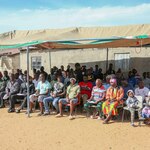
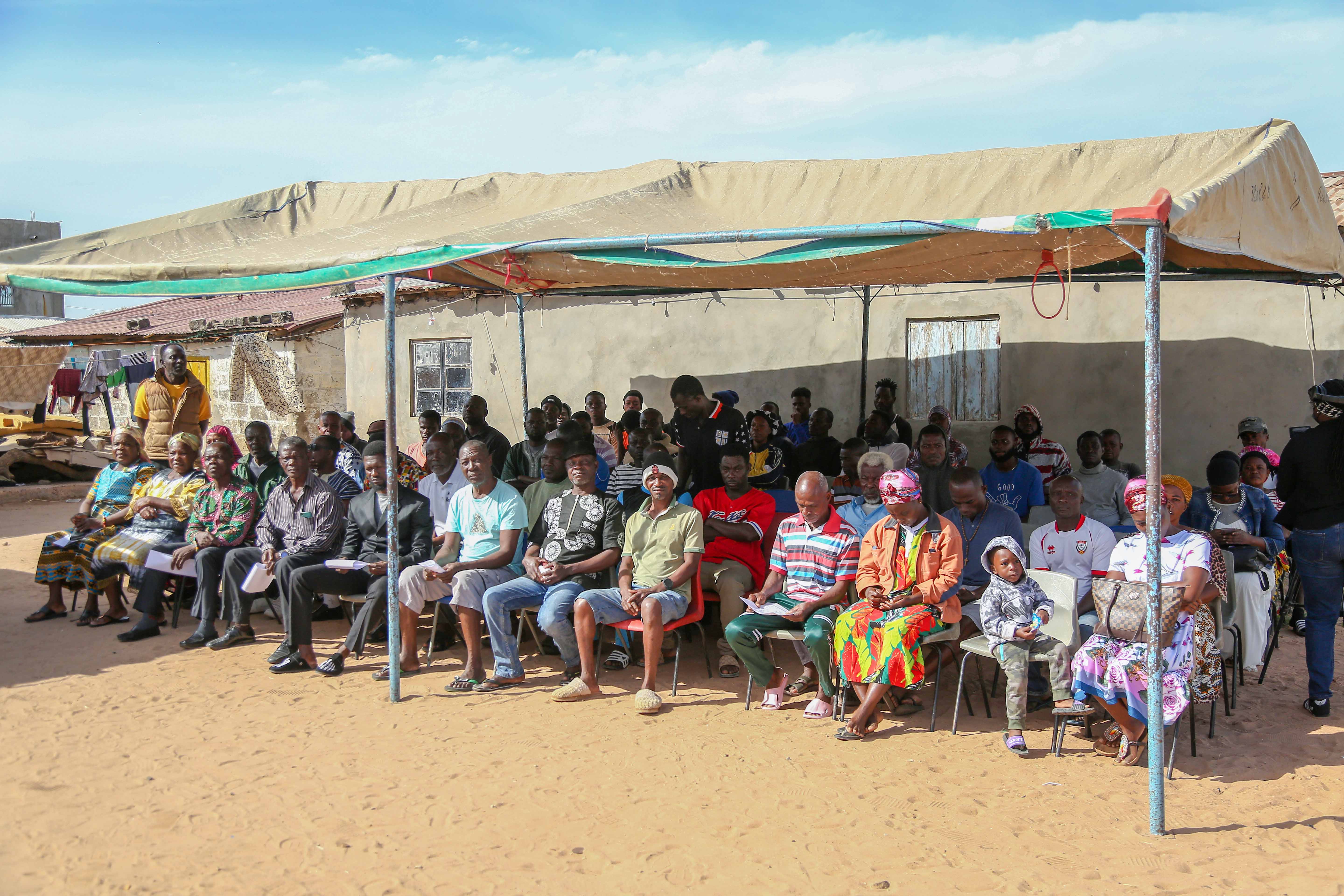
During a community engagement marking International Migrants Day, organised by the NHRC, with support from the Office of the United Nations High Commissioner for Human Rights (OHCHR), residents described the daily challenges resulting from the lack of national identity documents, birth certificates and passports. Many explained that the absence of documentation has denied young people opportunities for higher education, formal employment and freedom of movement.

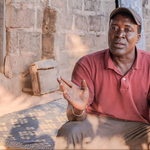
One resident captured the community's frustration, stating: "We have been here since 1958. Many of us were born here, and this is the only home we know. We simply want to be recognised."
Community members also spoke of children being unable to enroll in tertiary institutions, difficulties accessing public services, and instances where young people were questioned or detained because they lacked documentation and were perceived to be foreigners.
The Alkalo of Brufut, Lamin Manneh, recalled that the Ghanaian fishing community was allocated land decades ago because of its contribution to the local fishing industry. He emphasised that the community has long been part of the social and economic fabric of the area and called for a lasting solution to their documentation challenges.
Folonko Jatta, a native of Brufut village who is married in Ghana Town, became emotional as she recounted her experience.
“I was born and raised in Burfut Village and later got married to a Ghanaian migrant living here in Ghana Town. I have five children with him but all of them have been denied documentation,” she said, struggling to hold back her tears.

Alexandra Mensah, Chairperson of the Village Development Committee (VDC) of Ghana Town, stated that young people, particularly those of school going age, are among the most vulnerable groups facing challenges in the community. According to him, many students are unable to further their education after completing secondary school because they lack the necessary documentation.
Prior to the dialogue, the NHRC had undertaken a human rights assessment of Ghana Town in March 2025. The assessment revealed a range of interconnected challenges, including difficulties in acquiring identity documents, barriers to education, limited access to healthcare, inadequate public services, and restricted economic opportunities, particularly for women and young people.
The findings informed the Commission's subsequent engagement with key government institutions, particularly the Ministry of Justice and the Ministry of Interior, to explore practical and lawful solutions for addressing the community's long-standing concerns.
As part of these engagements, the NHRC has encouraged closer collaboration among the Ministry of Justice, the Gambia Immigration Department, the Gambia Immigration Department's Civil Registration and documentation authorities, and community leaders to facilitate the regularisation of the immigration and citizenship status of eligible residents. The Commission has emphasised that every case should be assessed in accordance with the Constitution and the relevant nationality and immigration laws, while ensuring that individuals who qualify for Gambian citizenship are not left in prolonged legal uncertainty.
The community dialogue also provided an opportunity for government representatives to respond directly to residents' concerns. Officials from the Gambia Immigration Department acknowledged the challenges raised and assured participants of their willingness to work with the relevant authorities to resolve legitimate concerns.
The NHRC views the situation in Ghana Town as both a human rights and development issue. Access to legal identity is fundamental to the enjoyment of a wide range of rights, including education, healthcare, employment, political participation and freedom of movement. Without recognised legal status, affected individuals remain vulnerable to discrimination, exclusion and the risk of statelessness.