
Flood Victims Cry Out to the NHRC for Help
The National Human Rights Commission Assessment Report on Climate Change and Human Rights (2025) indicated that flooding is one of the major climate-related hazards affecting many communities in the Upper River Region (URR). These floods are often triggered by torrential rainfall and rising river levels, particularly in Basse Badala and its surrounding areas.
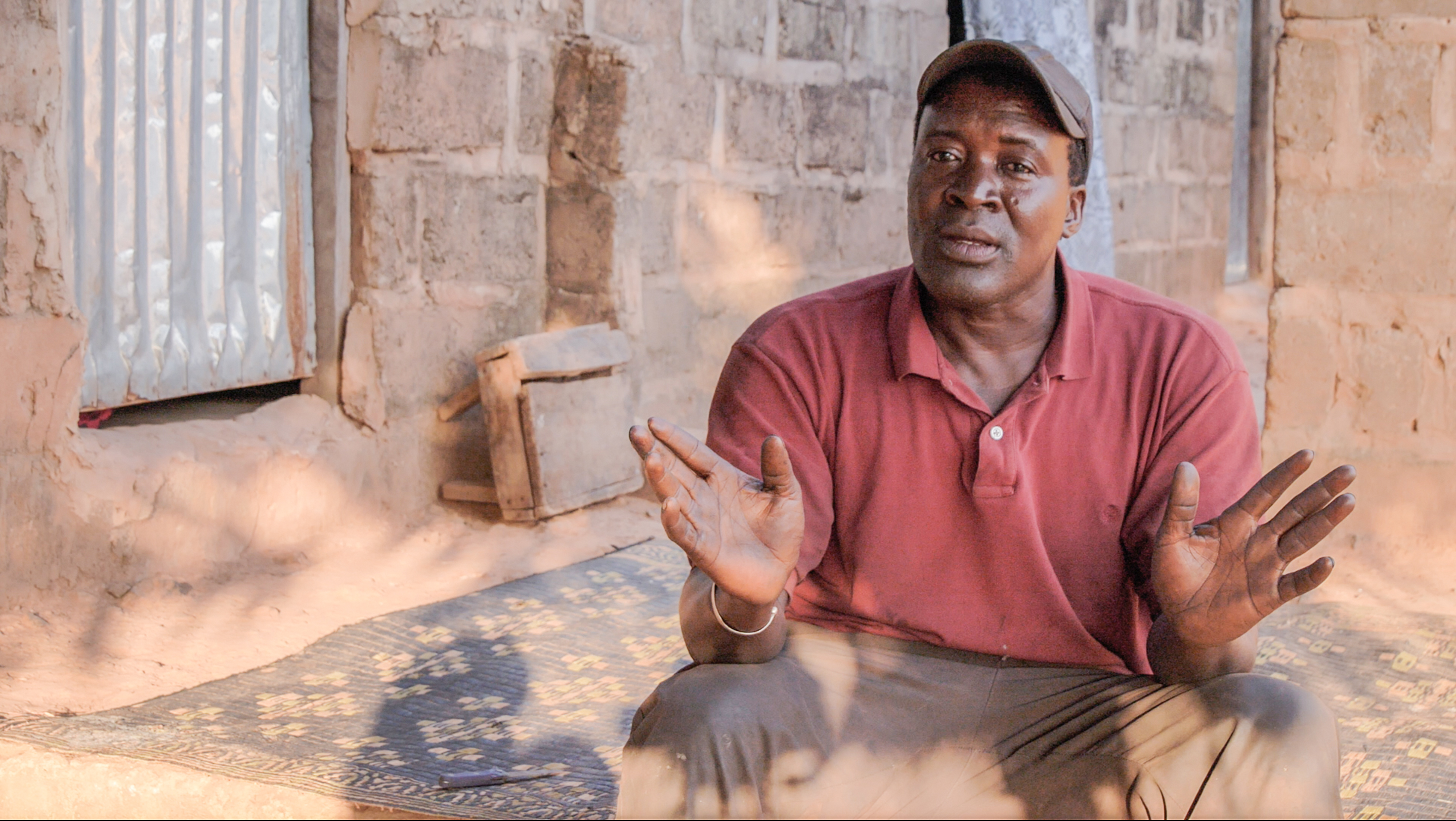
Ebrima Manneh, a resident of Giroba Village in Basse, URR, tragically lost his daughter during a heavy downpour that caused severe flooding in the area. In 2025 the eight-year-old Adama Manneh fell into a nearby rainwater retention pit which was close to her house. The pit was dug in 2023 during the construction of the Basse-Fatoto Road.
“One Friday morning, we had heavy downpour while I was at work. When the rain stopped, I received a telephone call from my wife, and she told me that Adama was missing. At first, I thought some travelers on the new road took her away. So, I rushed home to confirm”, Ebrima bemoaned.

According to Ebrima, when he arrived in his compound, it was overcrowded.” I saw Adama’s clothes and shoes beside the pit. A lot of thoughts came into my head. I feared that the worst may have happened to my daughter. That she might have drowned in the pit near our house.” As Ebrima recalled the incident of that fateful day, he burst into tears.
Ebrima stated that he attempted to jump into the pit water but was stopped by some of people in the crowd. He was advised to call the Basse Branch of the Gambia Fire and Rescue Service.
“When the team from the Fire Service came, they accused me of being careless about the safety of my own child. I was already in pain because of my missing child and now they were blaming me. So, an altercation ensued, and they said they were not getting inside the water to search for my missing child”, he stated.
According to Ebrima, the situation became tense until another community member intervened and urged the Fire and Rescue Service personnel not to leave without helping to search for the child or draining the water.
“In the commotion, a herdsman removed his shirt and jumped into the water. After taking a few steps, he felt the child with his feet and was able to retrieve her from the bottom of the pit. She was immediately rushed to the hospital. That was the most heartbreaking and devastating moment for me and the entire family”, Ebrima explained between sobs.
On what kind of redress, he wanted, Ebrima stated that the only support he is seeking is for the pit to be completely covered to prevent a similar tragedy and ensure the safety of his family and the wider community.
The location of the water retention pit is about one metre close to Ebrima’s house and the culvert is incapable of containing or adequately draining large volume of water within a short period. The placement of such a structure in close proximity to a residential compound constitutes a serious breach of safety standards and raises significant human rights and environmental protection concerns.

Ebrima’s elder brother, Demba Manneh, recalled that while flooding has long been a recurring challenge for the community and its residents, they had never witnessed anything as severe as what occurred during the last rainy season.
“We have always experienced flooding. Whenever there were heavy rains, community members would come together to protect their homes by using sandbags to block and divert the water and reduce its impact. However, in 2023, the National Road Authority (NRA) dug this water retention pit. While it has helped safeguard other households, our family has been left to bear its devastating consequences”, Demba lamented.
The trauma inflicted on the Manneh family is profound. Demba Manneh, overwhelmed by grief and distress, reacted angrily on the day little Adama drowned in the pit which led to the intervention of the Police and his subsequent detention at the Police Station.
According to Demba, the NRA promised them that the pit was just temporary and would be relocated. But since then, nothing has been done about it.
“The flood destroyed one of the houses in the compound and our pit latrine toilet collapsed too. We also lost two goats and many chickens”, he recounted.
When the incident occurred, the NHRC Regional Office in URR sent an investigator to the scene. According to Mr. Ebrima Kinteh, NHRC Principal Regional Administrator, the Office received the news around 8pm.
“Upon receiving the information about the incident, I assigned the Regional Investigation Officer to visit the affected family the following morning. When he arrived, tensions were high between the victim’s family and the regional authorities. However, the intervention of the NHRC led to the de-escalation of the tension and some relief to the family. We also engaged the National Disaster Management Agency (NDMA) to provide support to the affected family,” stated Mr. Kinteh
The assessment of the situation by the NHRC team indicates that the water retention pit is unlikely to be relocated anytime soon unless there is urgent intervention by the concerned authorities. The continued existence of the pit poses an imminent and serious risk to the Manneh family.